Claude pricing raises new budgeting questions for CFOs
CFO.com explains how Claude’s consumption-style pricing is pushing finance teams to budget for AI like a variable utility bill, not a flat SaaS seat.
Published 2026-05-28Source: CFO.com
Why it matters
If costs depend on tokens, caching, tools, and runtimes, forecasting gets messy. Without allocation, monitoring, and chargeback, “AI everywhere” becomes unbounded OPEX.
Tokenmaxxing read
Build a token budget model: assign cost centers, cap high-risk workflows, monitor cache/tool charges, and publish “cost per business outcome” so usage has an accountable owner.
Source takeaway
CFOs need new controls for token-based AI billing, including budgeting, monitoring, and clearer ROI measurement.
Token Monitor - An ESP32-S3 desktop display that tracks AI coding assistant usage (Crowdfunding) - CNX Software
Fractal Manifold is crowdfunding Token Monitor, a EUR 99 ESP32-S3 desk display with a 4-inch touchscreen that shows quota use, session limits, reset timers and estimated token costs for Claude Code, Codex CLI and Antigravity CLI.
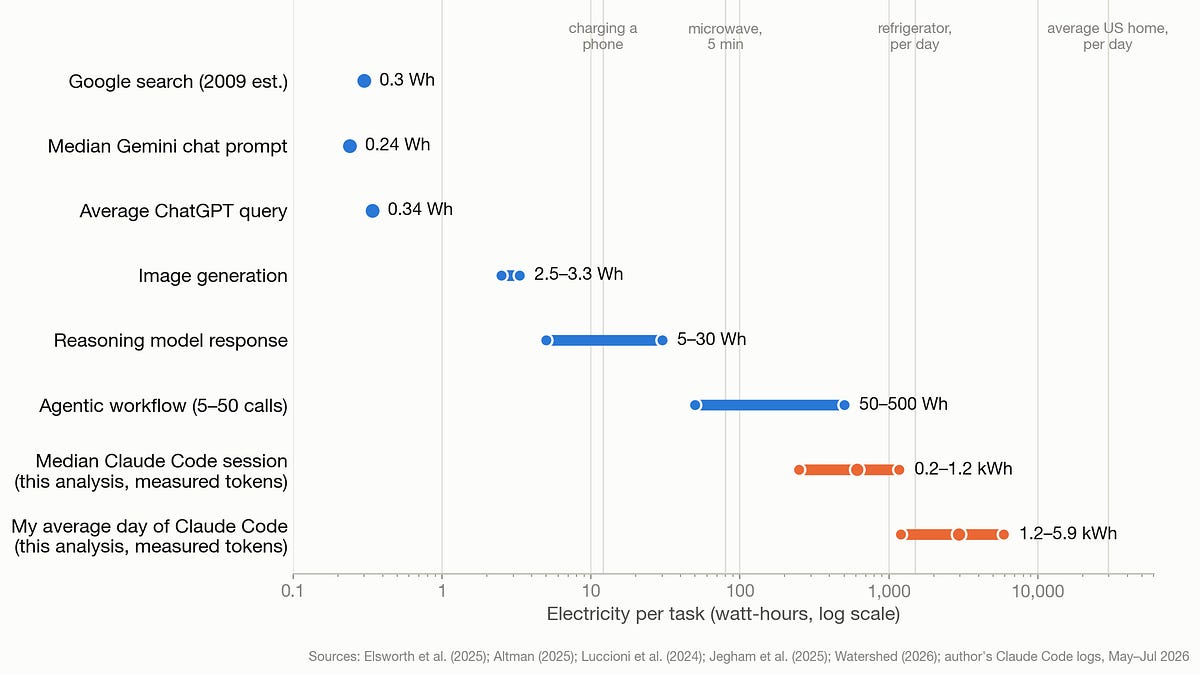
Climate scientist Zeke Hausfather metered his own Claude Code habit: 1,138 typed prompts fanned out to more than 14,000 model calls and 3.2 billion tokens in eight weeks, drawing roughly 170 kWh of data-center electricity.
Claude Code Was Burning Tokens Until I Put a Gate in Front of It | HackerNoon
Prateek Kapoor wrapped Claude Code in a PreToolUse hook that rejects unbounded greps and whole-file reads, hands the agent a corrected command, and reports 75% to 80% lower token use on heavy editing tasks.